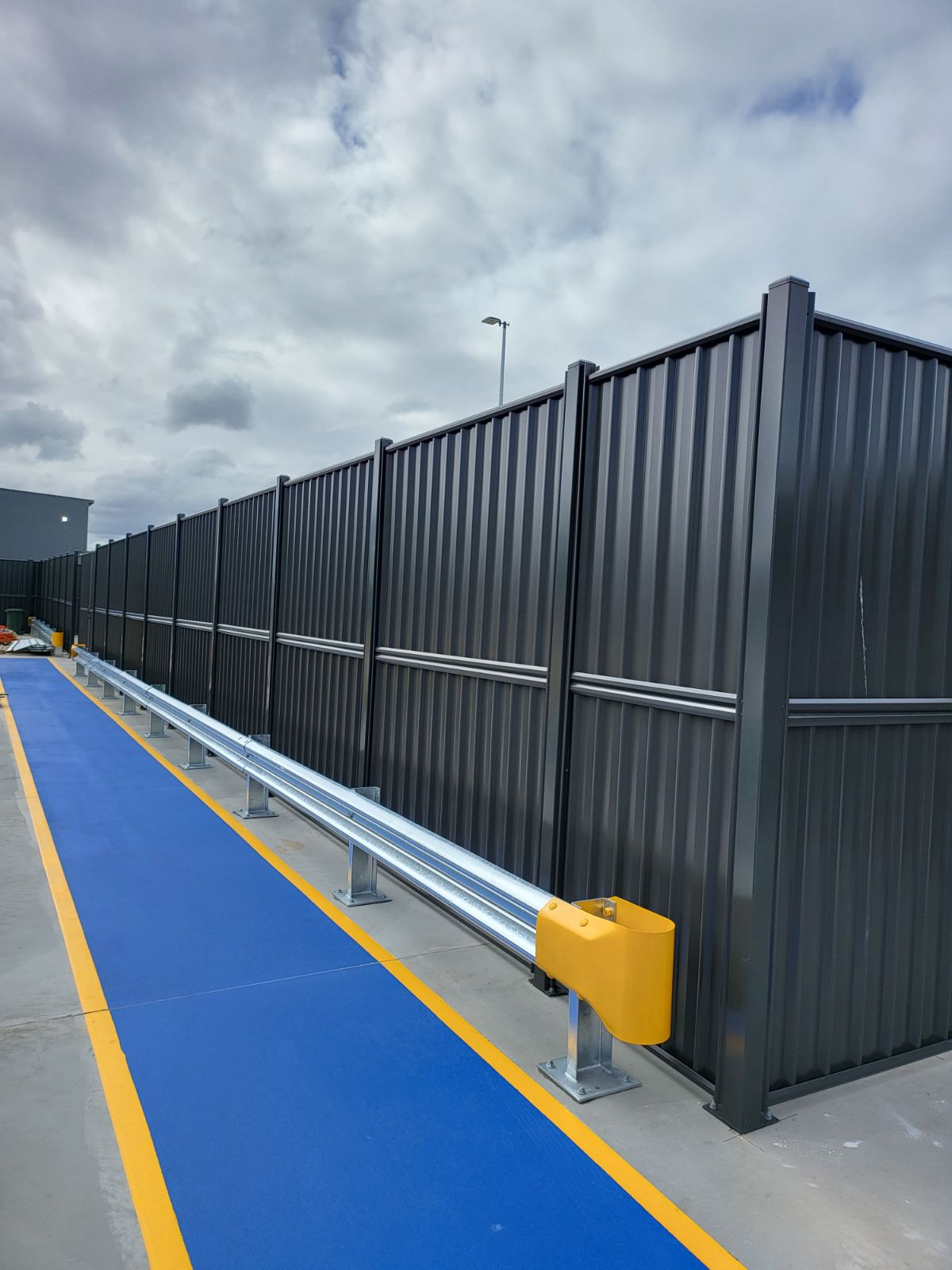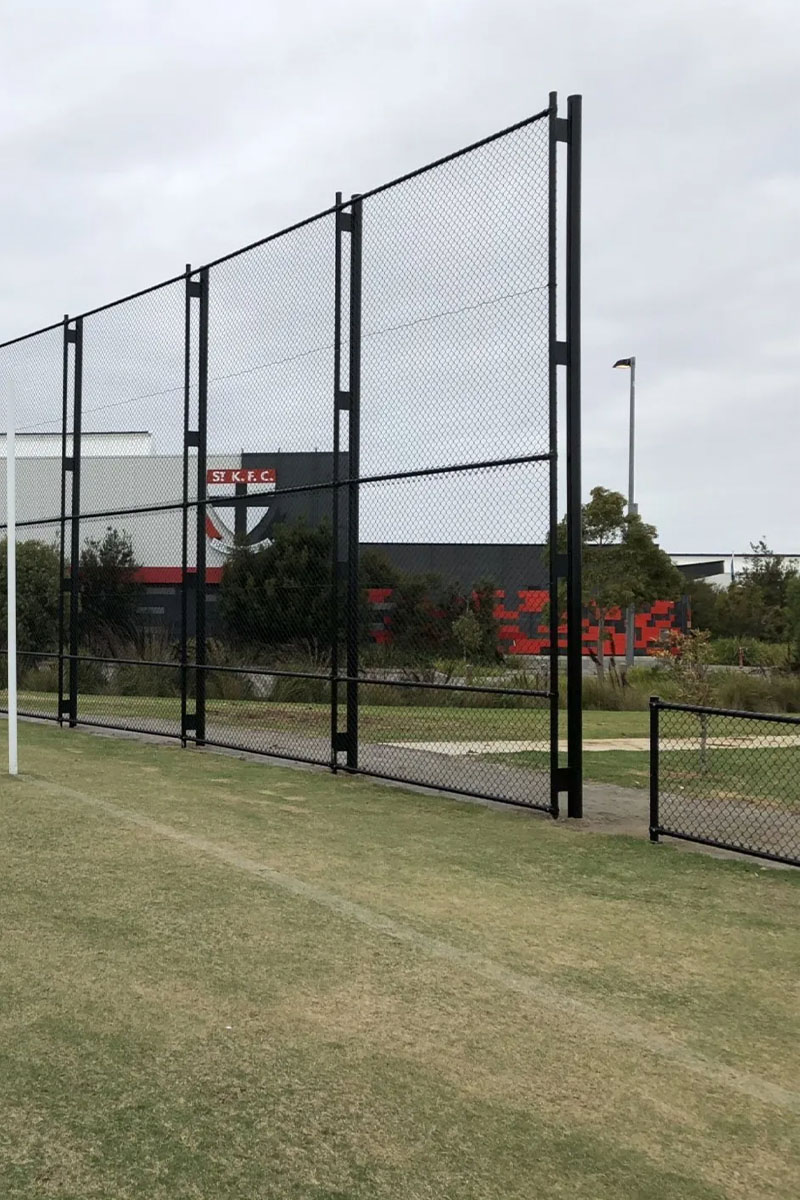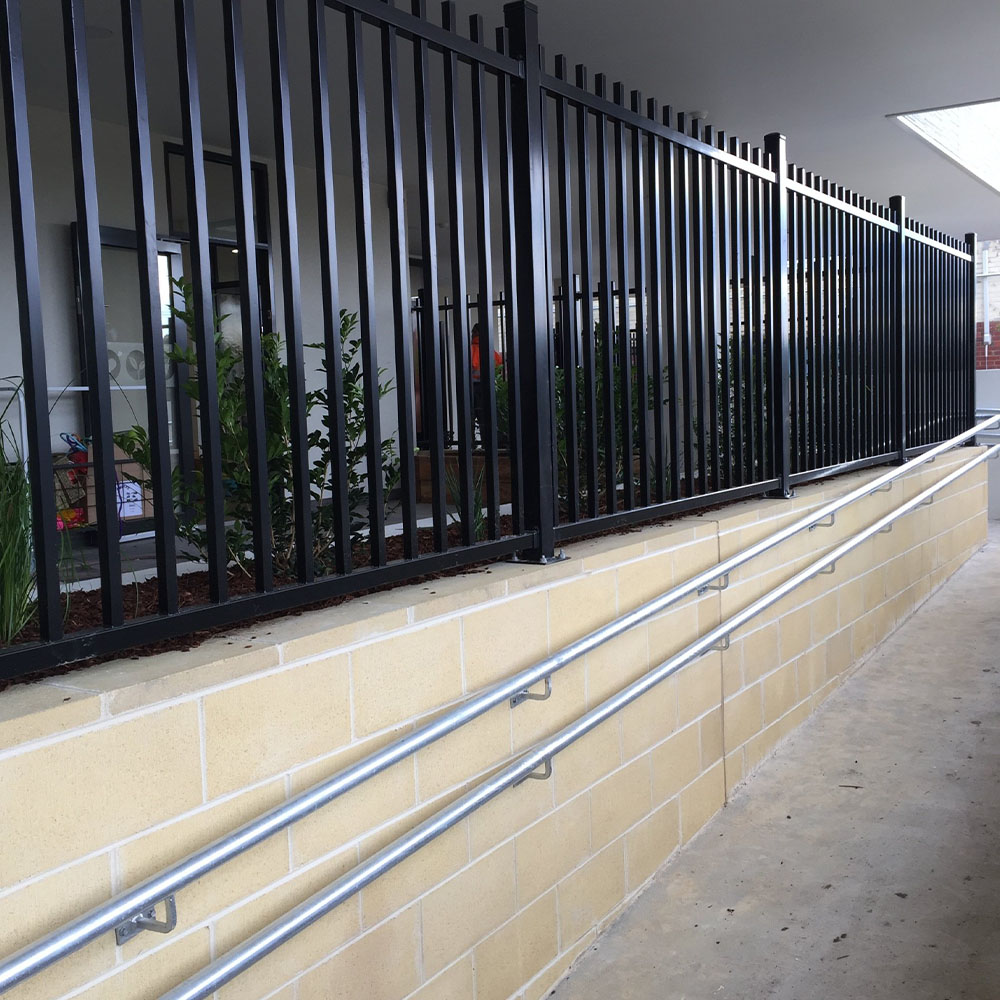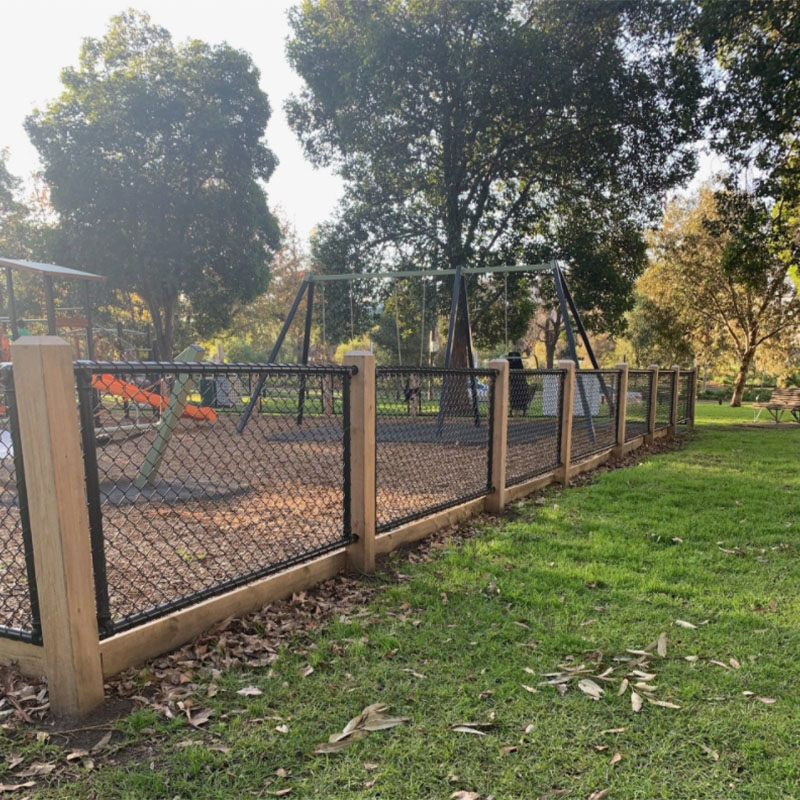
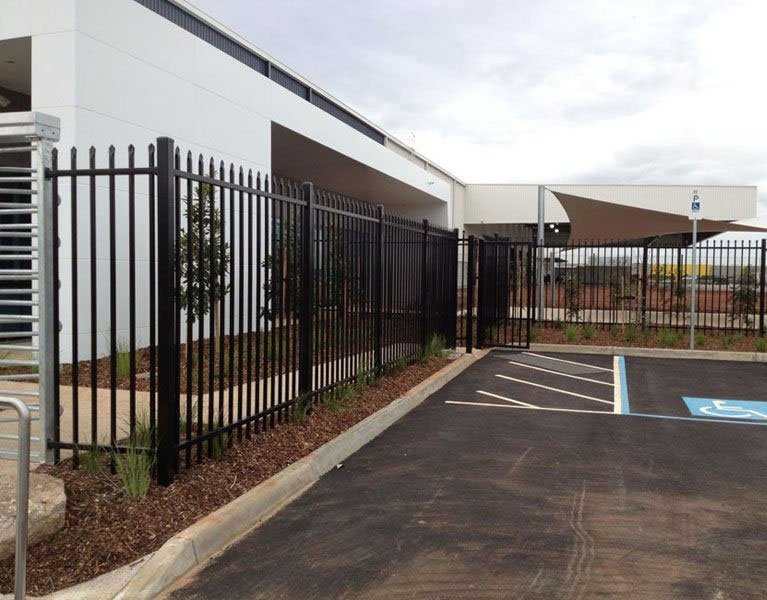
A security fence needs to do more than mark where a property ends. For commercial and industrial sites, schools, utilities and other secured areas, the design of the fence can influence how easily someone can climb, grip or gain leverage on it. Height certainly matters, but it is only one part of the equation. The profile of the fence, spacing between components, access to footholds and the surrounding environment can all affect how difficult a perimeter is to scale.
This blog post will focus on what makes a fence difficult to climb, the features commonly used in security fencing and what Melbourne property owners should consider when choosing a more secure perimeter.
Fence Design Matters as Much as Fence Height
It is easy to assume that a taller fence automatically means better security, but height alone does not determine how difficult a fence is to climb. The actual construction of the fence is just as important. Designs with limited horizontal rails, narrow openings and fewer obvious handholds or footholds can make climbing considerably more difficult than fencing with easily accessible cross-members. This is why purpose-designed security fencing often looks quite different from a standard boundary fence. The aim is not simply to create a tall barrier, but to create a perimeter that provides as few opportunities as practical for someone to gain a foothold and climb it.
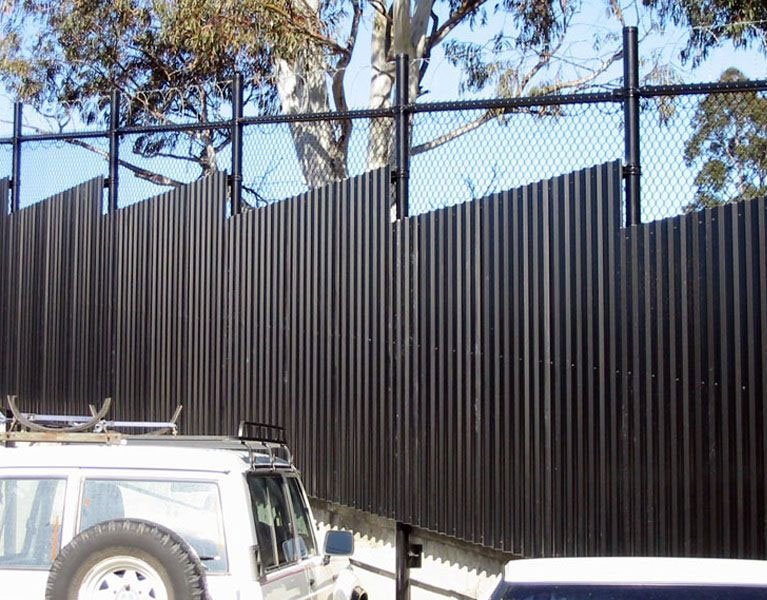
The Right Fence Profile Can Reduce Climbing Opportunities
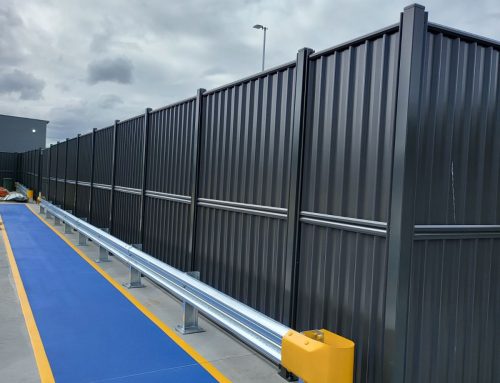
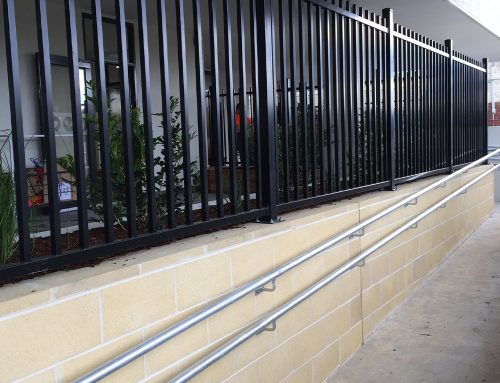
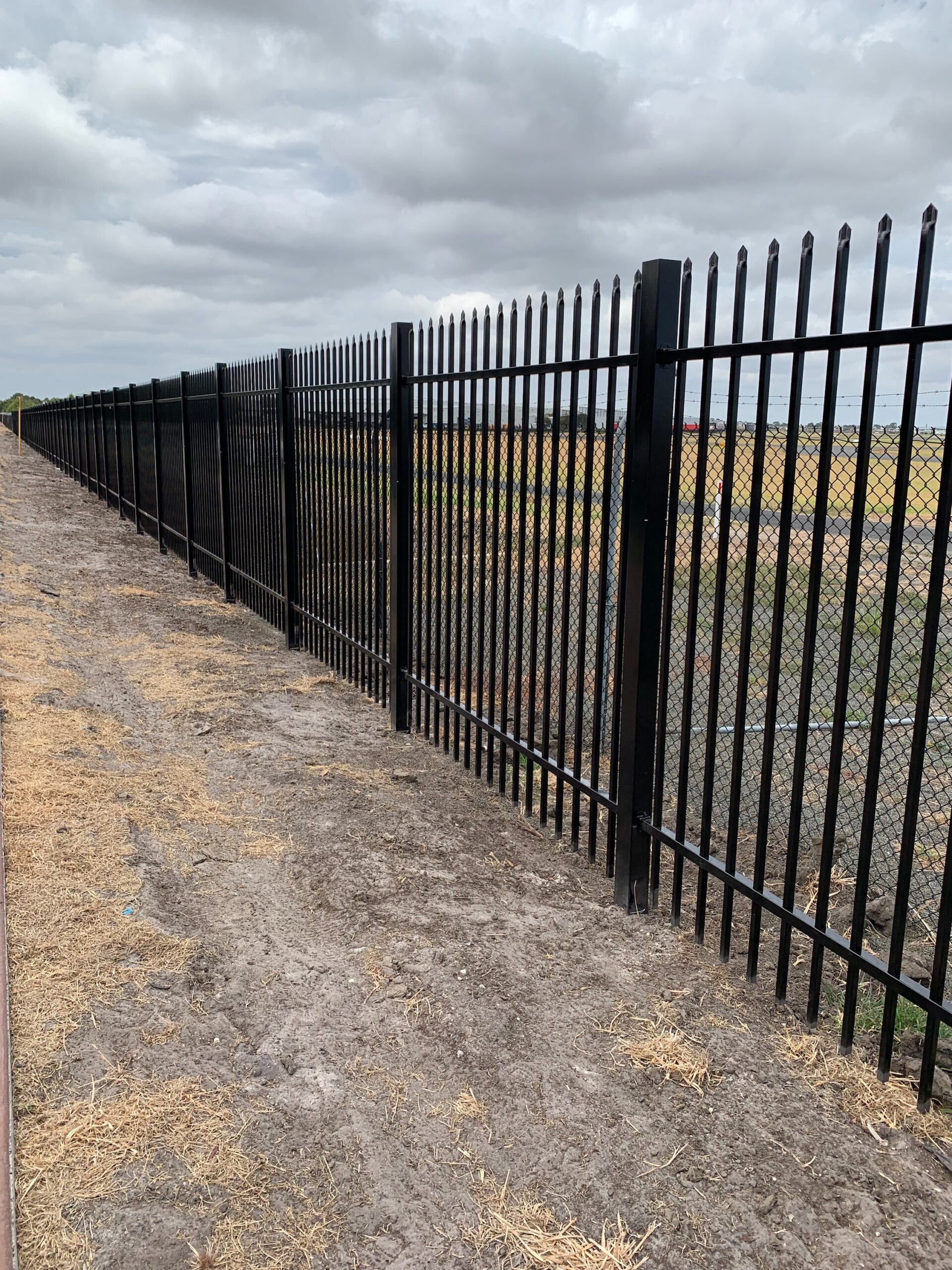
Different fencing systems create very different climbing surfaces. Closely spaced vertical steel profiles, for example, can provide fewer useful footholds than designs containing numerous horizontal elements. Palisade fencing is commonly associated with commercial and industrial security because of its strong vertical construction and imposing profile. Other fencing systems can also be selected or configured with security in mind, depending on the property and the level of protection required. Rather than choosing a fence based purely on appearance, it is worth considering the entire profile from the perspective of someone attempting to climb it: where could they put a foot, where could they grip, and what could they use for leverage?
Mesh Size and Construction Make a Difference
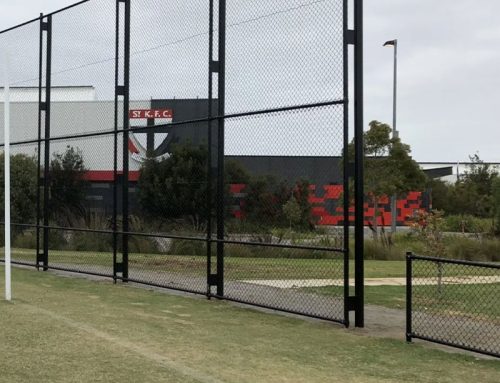
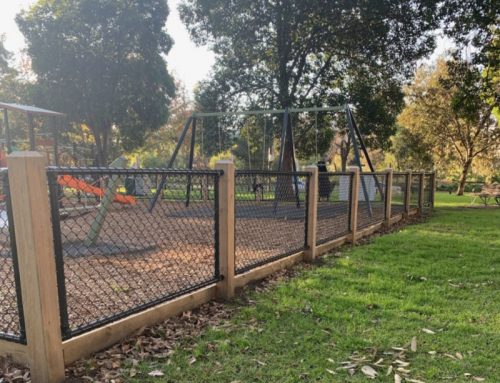
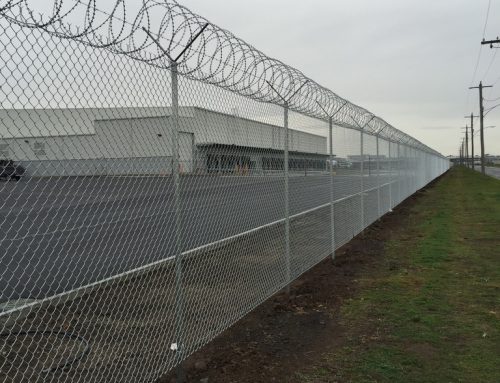
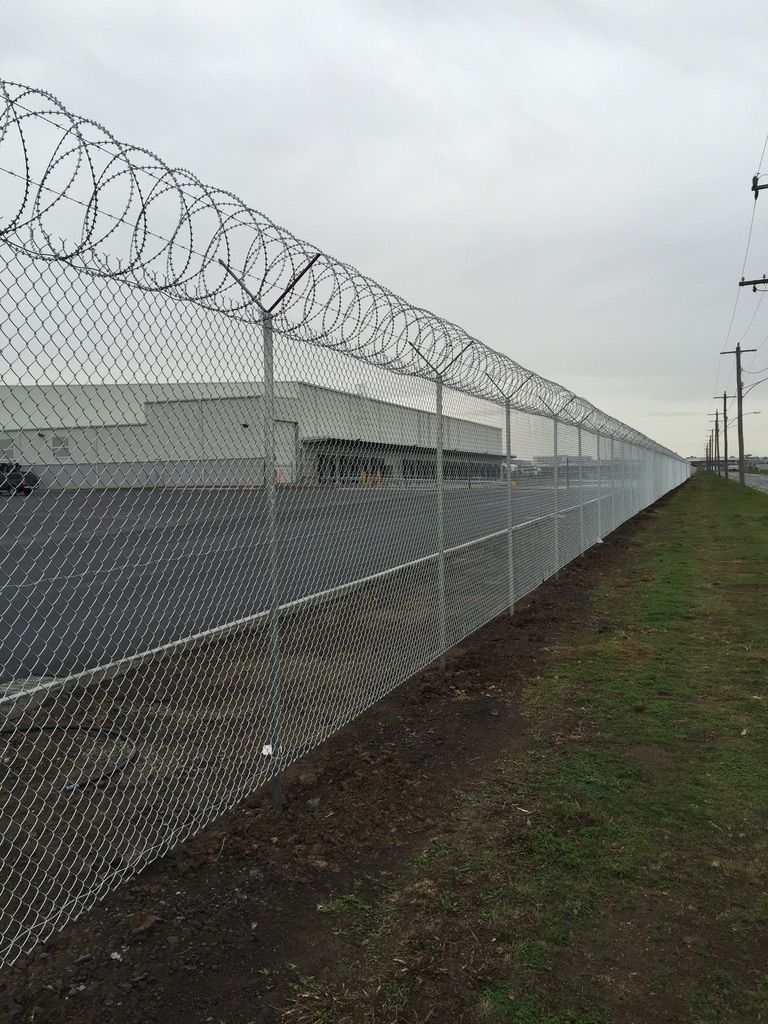
Mesh fencing is widely used around Melbourne commercial, industrial, sporting and community facilities, but not every mesh configuration provides the same level of security. The size and shape of openings influence how easily the mesh can be used as a climbing aid. Welded mesh fencing, for example, is a versatile boundary solution. Where greater perimeter security is required, the complete fencing specification needs to reflect that purpose. Wire thickness, mesh dimensions, fence height, posts, fixings and gates should be considered together rather than assuming that one particular material automatically makes a fence difficult to climb.
Don’t Forget What Is Around the Fence
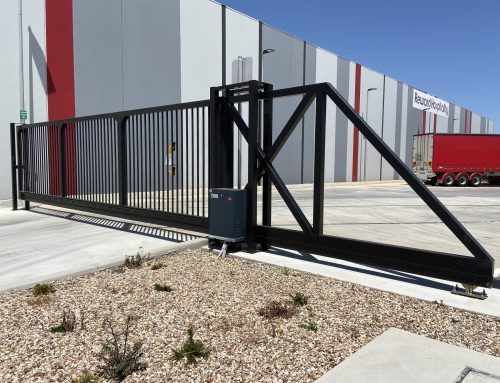
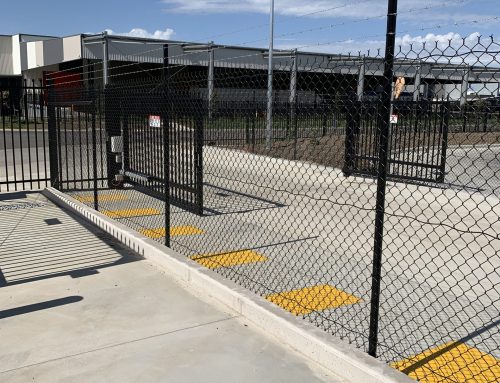
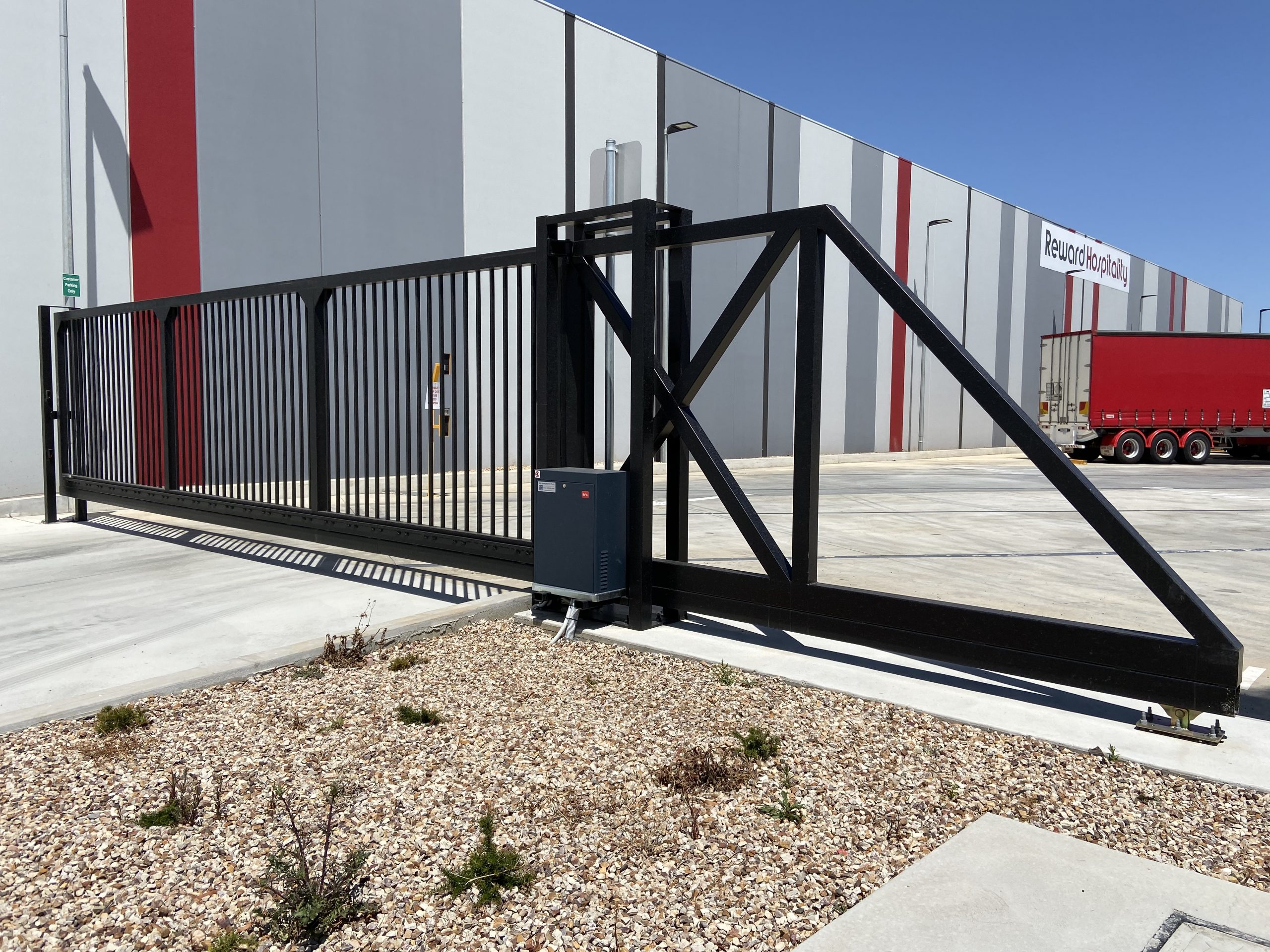
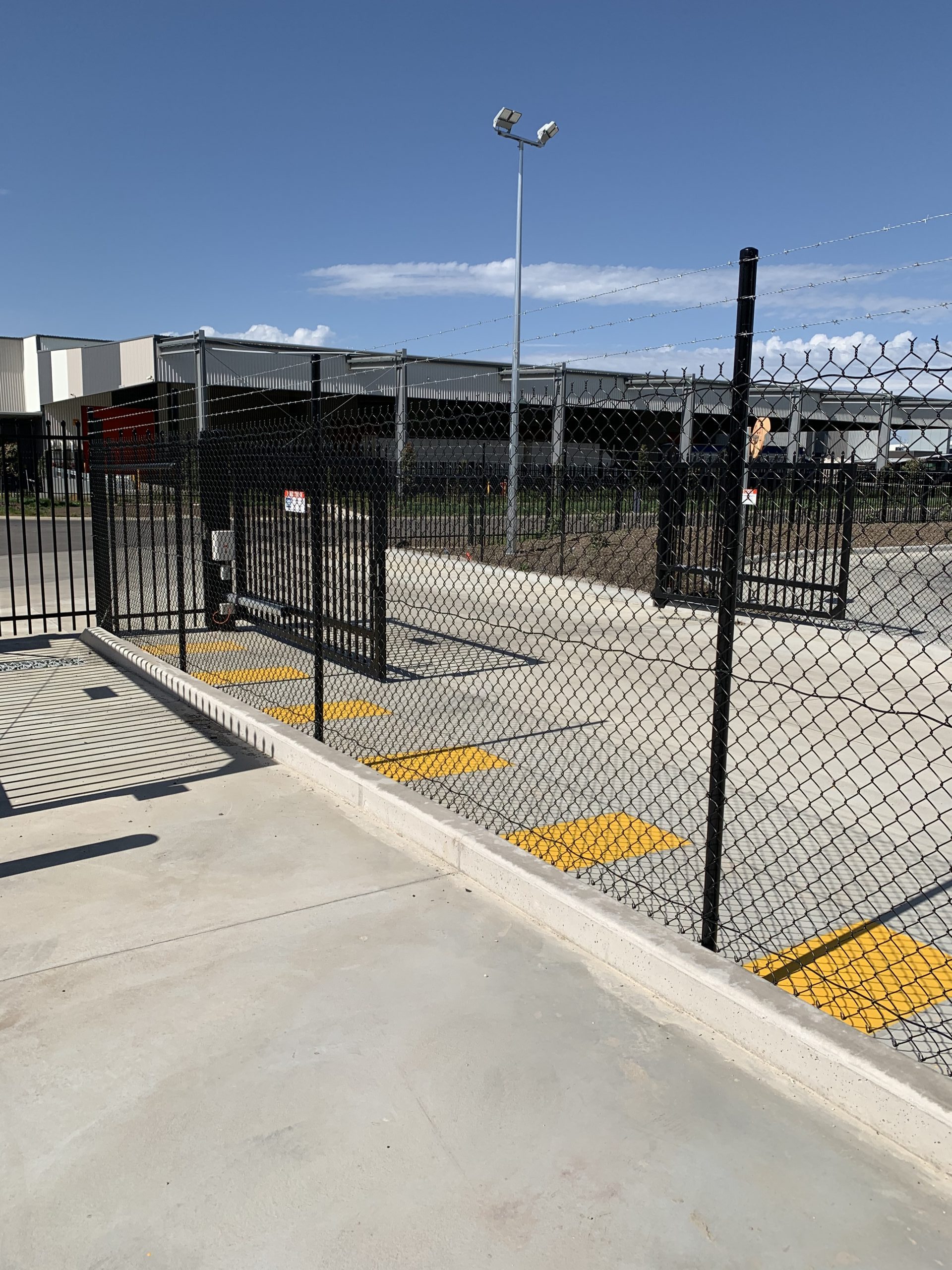
Even a well-designed security fence can be compromised by what sits immediately beside it. Bins, storage containers, stacked materials, trees, retaining walls and other structures can effectively provide a ready-made step towards the top of the fence. This is particularly relevant around warehouses, factories and commercial properties where equipment and materials regularly move around the site. Maintaining a clear area alongside the perimeter can therefore be an important part of an effective security fencing strategy. Gates deserve the same attention. A secure fence loses much of its value if an adjoining gate introduces easy footholds, weak hardware or a significantly lower point along the perimeter.
Choosing Security Fencing for Your Melbourne Property
There is no single fence design that suits every security application. A warehouse, school, sporting facility and high-security industrial property can all have very different requirements. The right solution depends on the site, the level of security required, access points, visibility, surrounding structures and how the property is used day to day. Diamond Fence supplies a range of fencing options across Melbourne and Greater Victoria, including security, palisade, chain wire, welded mesh and tubular steel fencing. If making a fence difficult to climb is a priority, choosing the complete perimeter system around the actual risks of the property will generally produce a better result than simply choosing the tallest fence available.
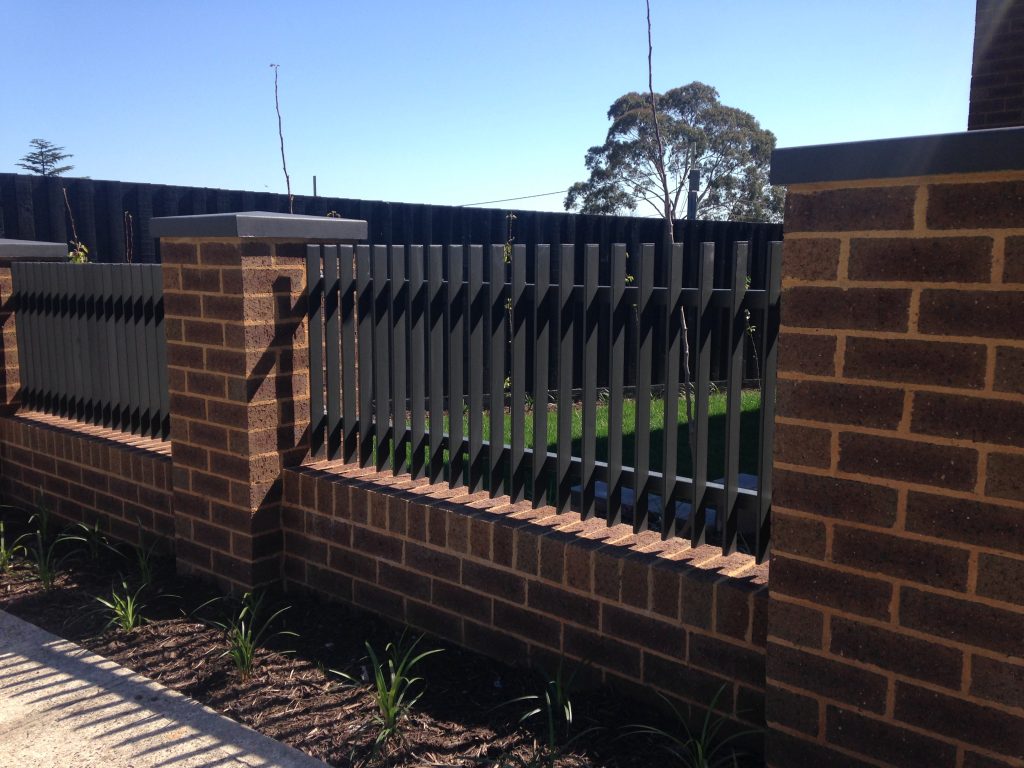
Looking for Security Fencing in Melbourne? Ask Diamond Fence!
If you are interested in exploring the steel fencing options provided by Diamond Fence in Melbourne and Greater Victoria, we encourage you to reach out to us today!
You can contact us by either sending an email to info@diamondfence.com.au or by placing a phone call to our dedicated line at (03) 9753 4566.
For your convenience, we have also an online enquiry form that offers an efficient means of communicating with us. This form allows you to submit any inquiries or concerns you may have.
We eagerly await the opportunity to assist you further and provide the necessary details regarding your steel fencing enquiry.