Fences are an essential part of any property, providing security, privacy, and a clear boundary. However, over time, fences can develop issues such as leaning posts, broken rails, rust, or general wear and tear.
This blog post will focus on the most common fence problems homeowners face and how to fix them effectively, ensuring your fence remains functional and visually appealing.
Leaning Fence Posts
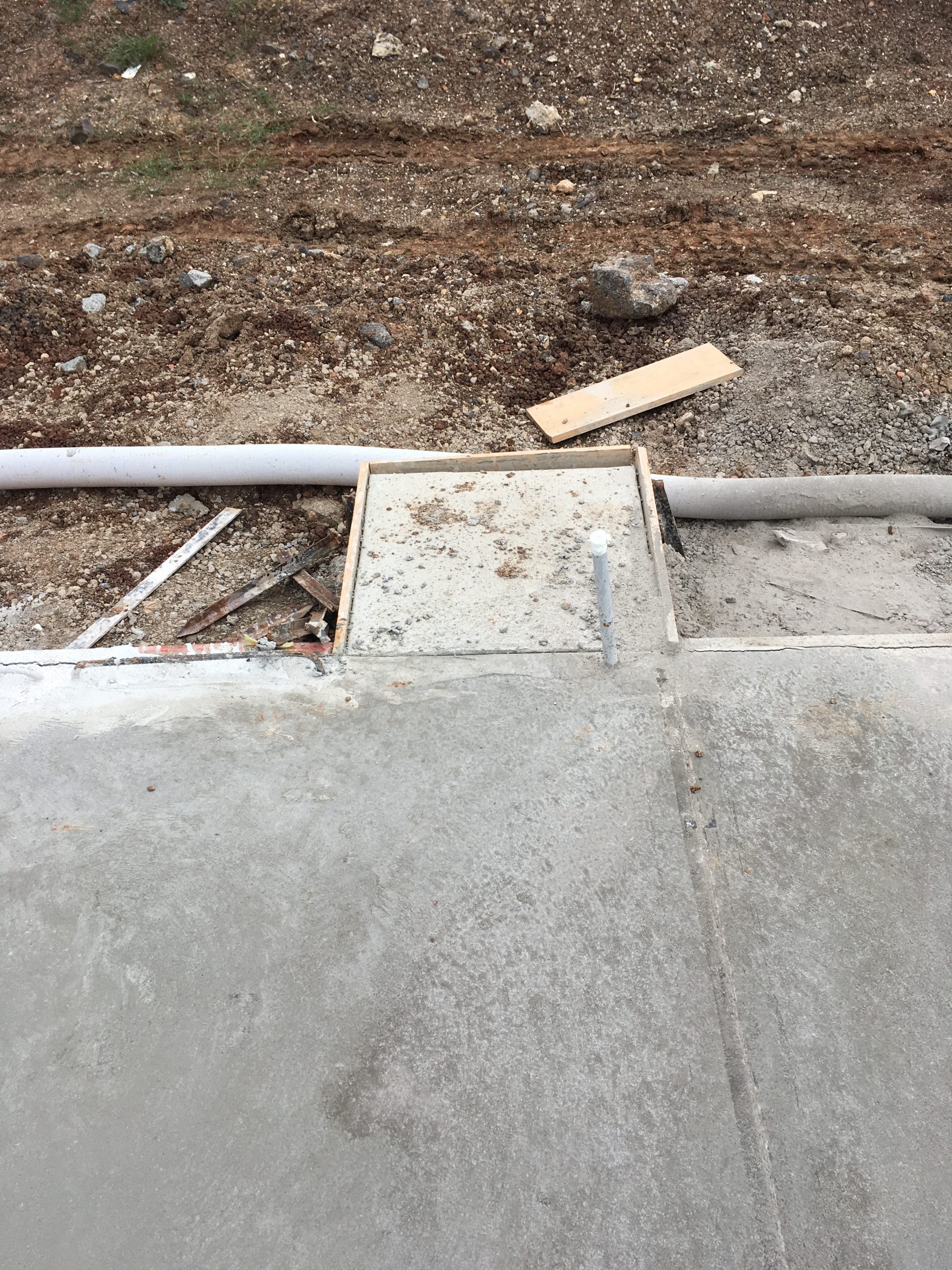
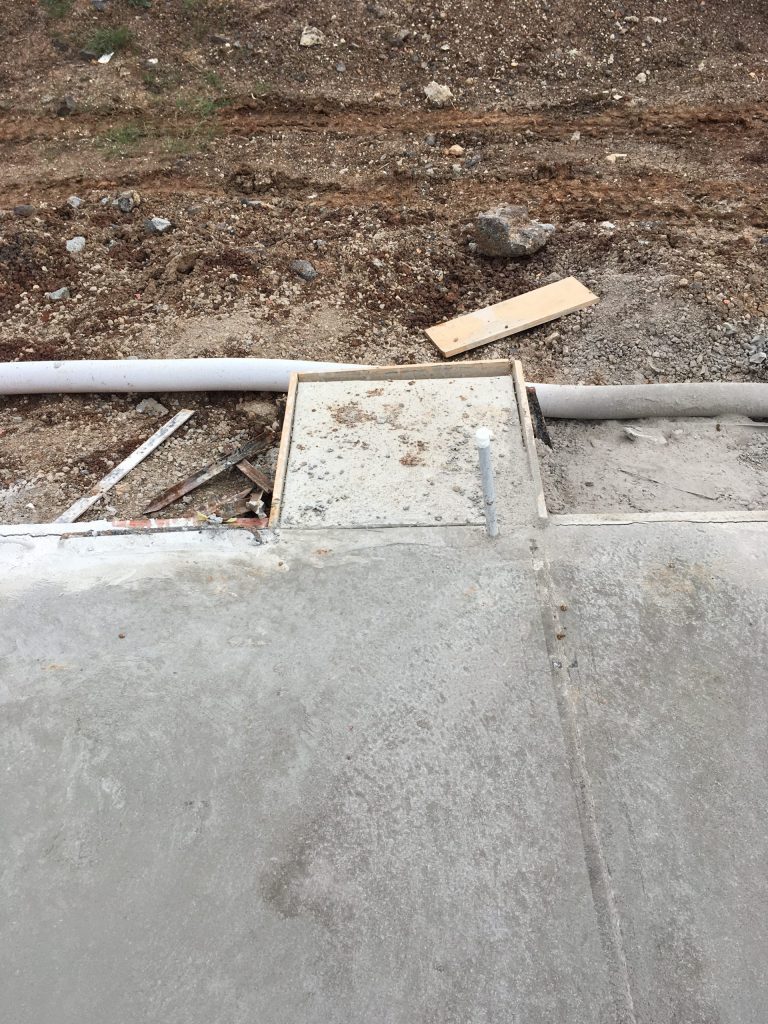
One of the most common problems is leaning or unstable fence posts, usually caused by loose soil, erosion, or inadequate post installation. To fix this, start by digging around the post and removing any loose soil. Check if the post is damaged—if so, replace it. Re-set the post in concrete or compacted gravel to provide a stable base. Ensure the post is level before the concrete sets to prevent future leaning.
Broken or Damaged Rails
Fence rails can break due to heavy impact, weather conditions, or natural wear. For timber fences, remove the damaged rail and replace it with a new one of the same size and type. For metal fences, welding or using metal brackets may be required. Always secure the new rail firmly and treat timber with a protective coating to prevent rot and insect damage.
Rust and Corrosion on Metal Fences
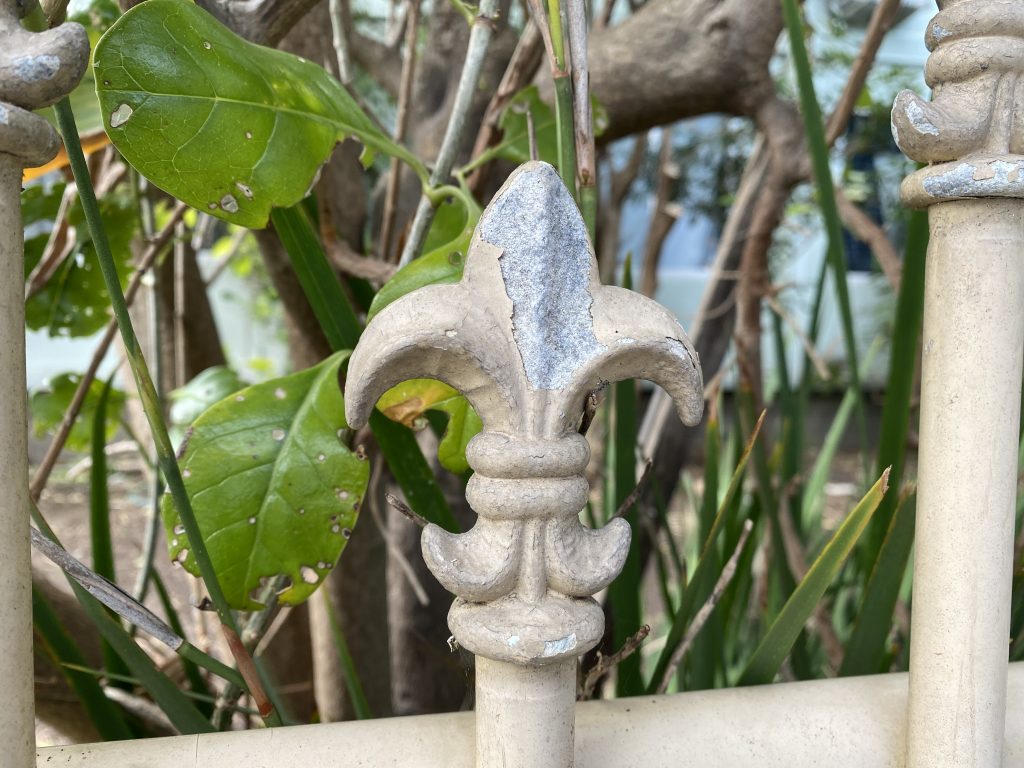
Metal fences, especially those near the coast or in damp areas, are prone to rust and corrosion. To fix this, start by cleaning the affected area with a wire brush to remove loose rust. Apply a rust converter or primer, then repaint the fence with a protective paint suitable for outdoor metal. Regular maintenance, such as annual inspections and touch-ups, can prevent rust from spreading.
Loose or Missing Fasteners
Over time, nails, screws, or brackets can become loose or fall out, causing sections of the fence to wobble or sag. Inspect your fence regularly and replace any missing or damaged fasteners. Use corrosion-resistant screws or nails to ensure durability. Tighten all connections to keep your fence secure and safe.
General Wear and Weather Damage
Exposure to sun, rain, wind, and temperature changes can cause fences to deteriorate. Wooden fences may warp or fade, while metal fences may bend or rust. To maintain your fence, perform regular inspections, clean it periodically, and apply protective coatings such as wood stain or metal paint. Minor repairs, such as sanding rough edges or reinforcing weak sections, can extend the life of your fence significantly.
Conclusion
Regular maintenance and timely repairs are key to keeping your fence in good condition. By addressing common issues like leaning posts, broken rails, rust, loose fasteners, and weather damage, you can ensure your fence remains sturdy, functional, and visually appealing for years to come. Don’t wait for small problems to turn into major repairs—invest a little time now to protect your property and enhance your home’s overall appearance. If you don’t want to tackle these repairs yourself, Diamond Fence can help with professional fence and gate repair services.
Looking for Custom Steel Fencing in Melbourne? Ask Diamond Fence!
If you are interested in exploring the steel fencing options provided by Diamond Fence in Melbourne and Greater Victoria, we encourage you to reach out to us today!
You can contact us by either sending an email to info@diamondfence.com.au or by placing a phone call to our dedicated line at (03) 9753 4566.
For your convenience, we have also an online enquiry form that offers an efficient means of communicating with us. This form allows you to submit any inquiries or concerns you may have.
We eagerly await the opportunity to assist you further and provide the necessary details regarding your steel fencing enquiry.