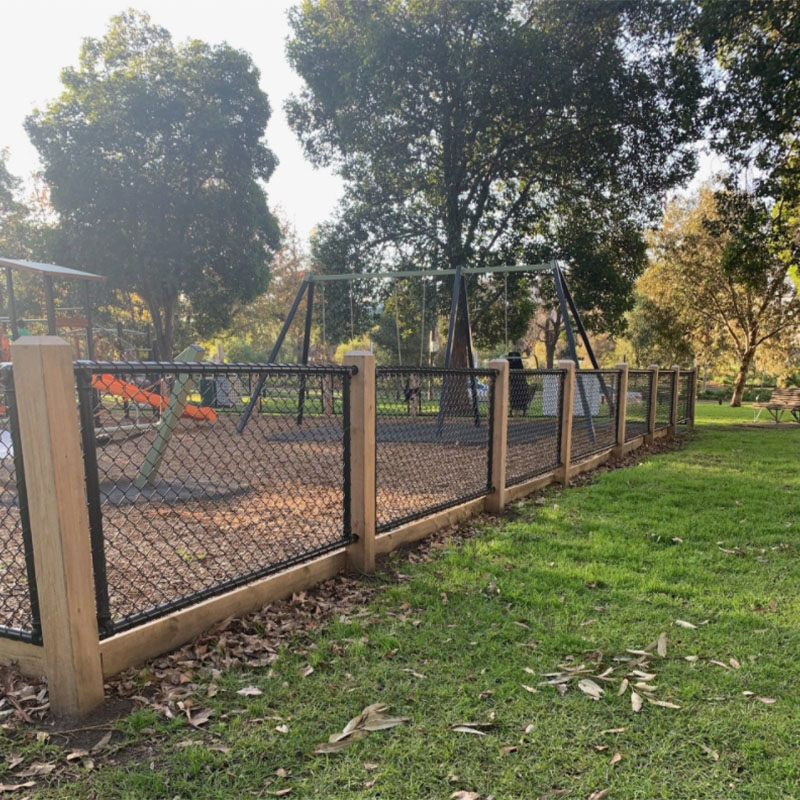
Choosing the right fencing for a school involves much more than simply creating a boundary around the property. A school fence needs to help manage access, protect students and staff, withstand constant use and still suit an environment that should feel welcoming to its community. Melbourne schools also have very different requirements across their sites, from street-facing boundaries and playgrounds to sporting facilities, car parks and service areas.
This blog post will focus on what makes school fencing in Melbourne safe, durable and practical, and the key factors schools should consider when planning a new fence or replacing an existing one.
Start With the Purpose of Each School Area
One fencing type rarely suits an entire school site. A front boundary may need to provide security without making the entrance feel closed off, while a sports court may require much taller fencing to contain balls and separate activities from surrounding areas. Vehicle entrances, pedestrian gates, playgrounds and areas adjoining neighbouring properties can introduce different requirements again. Before selecting a material or fence height, schools should consider what each section of fencing actually needs to achieve. Dividing the site into functional zones can result in a more practical fencing design than applying the same solution around the entire perimeter.
Visibility Can Be Just as Important as Strength
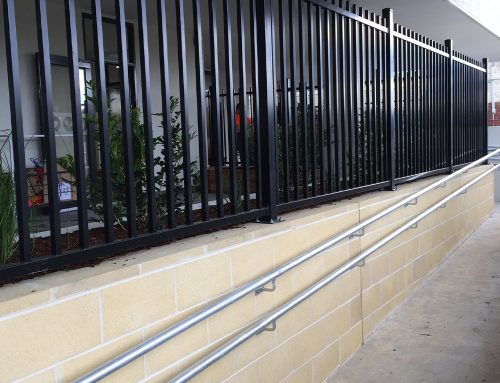
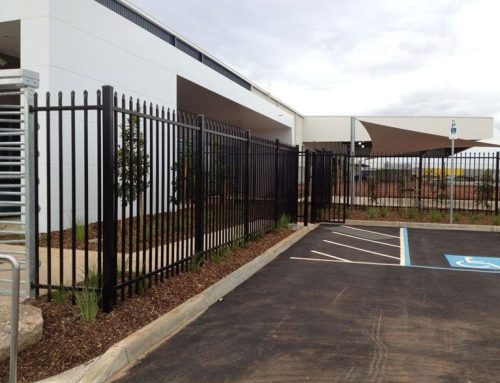
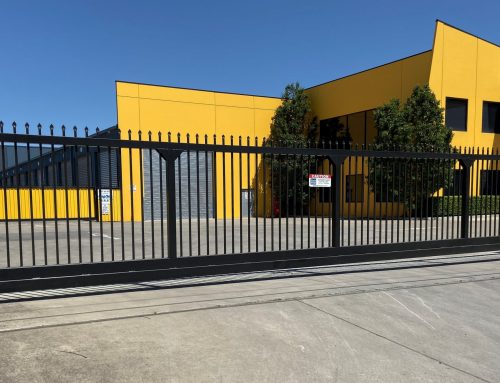
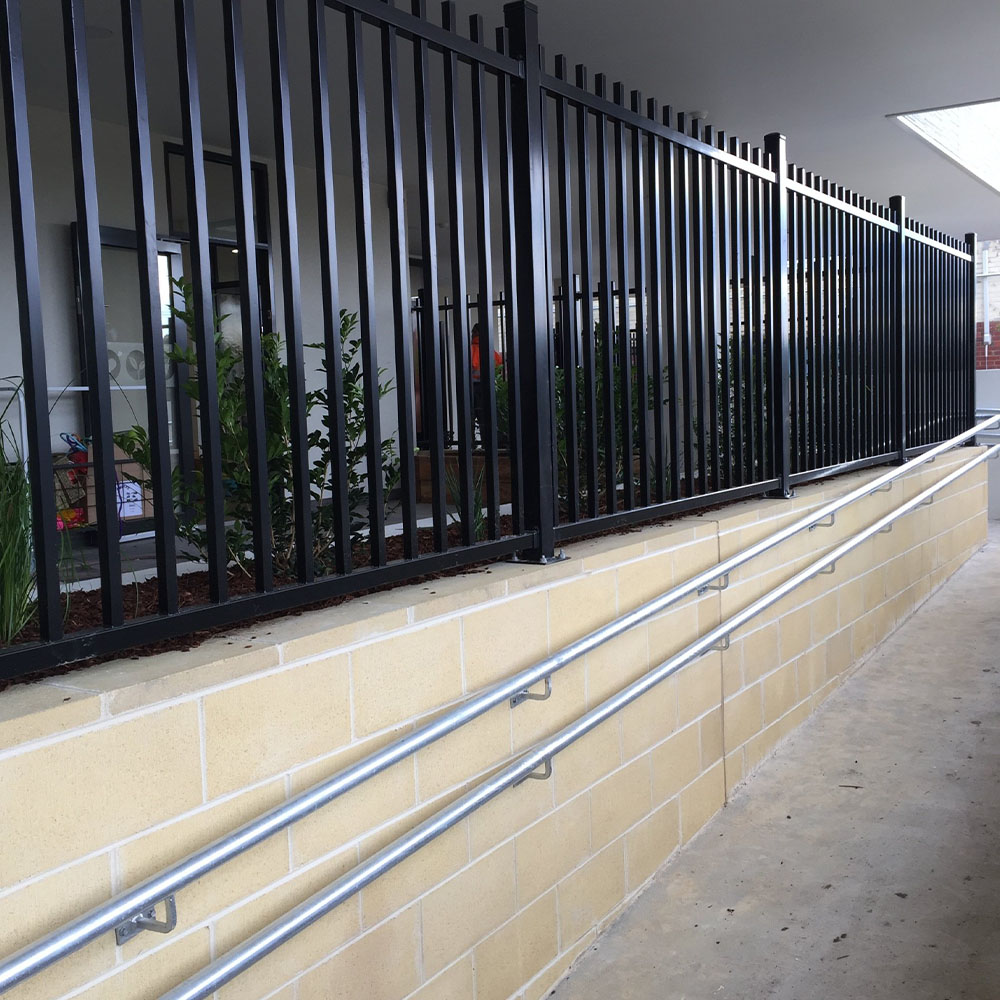
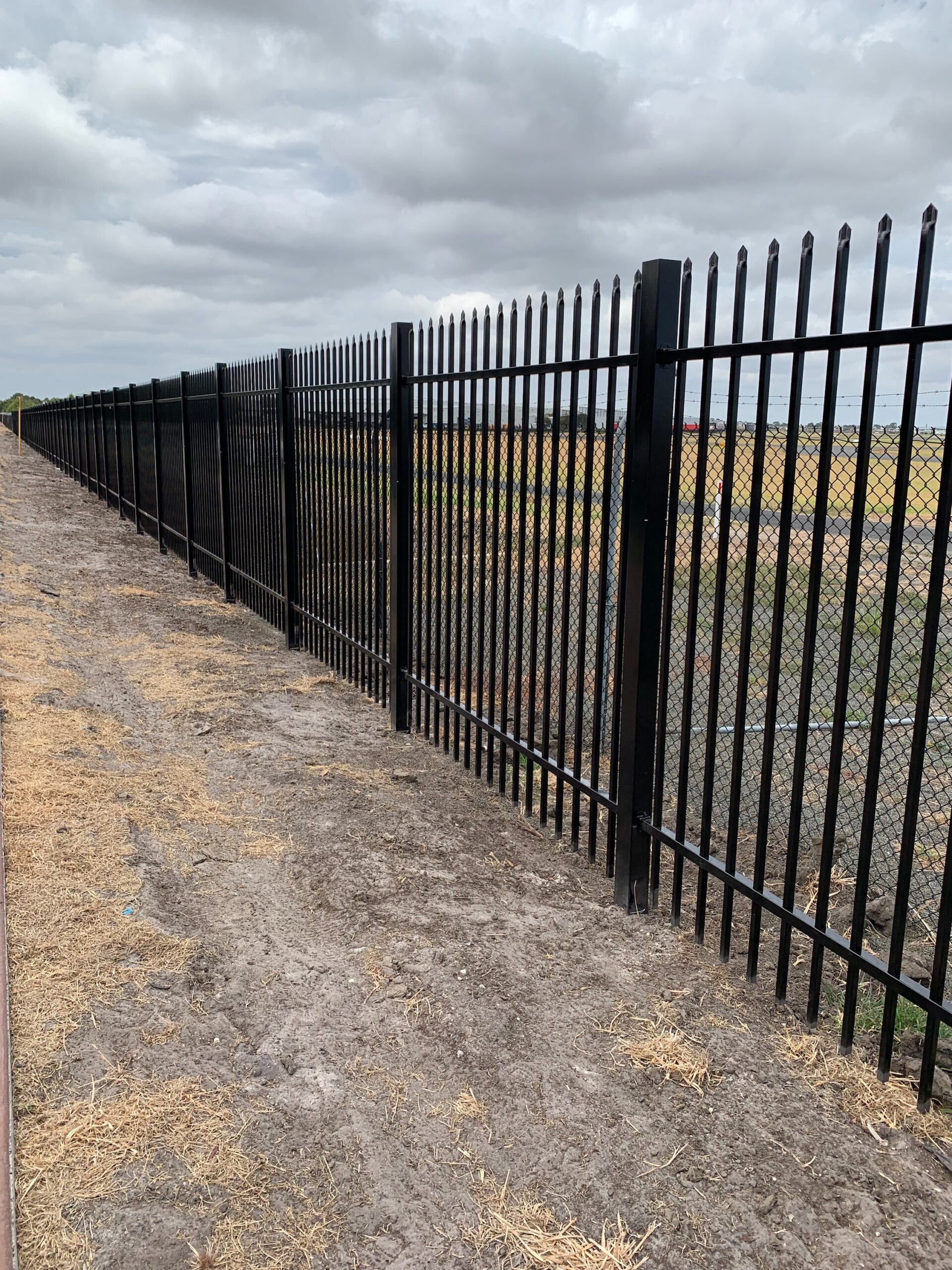
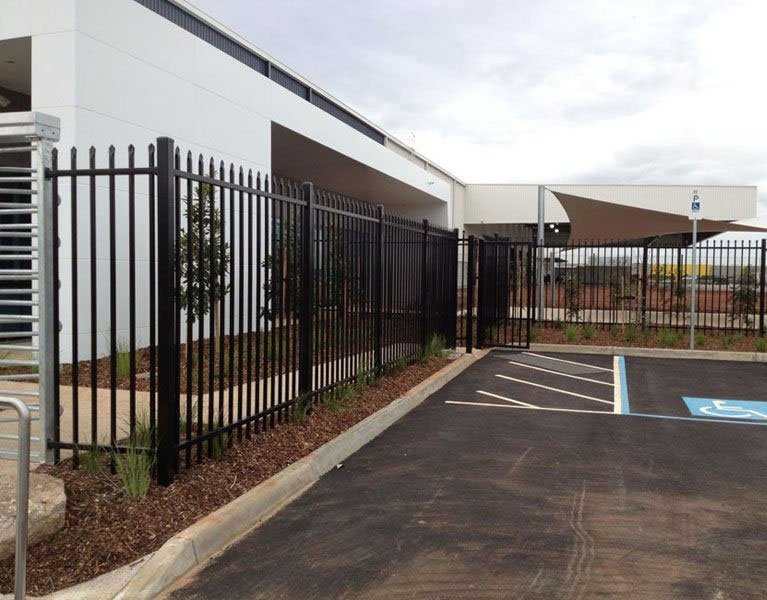
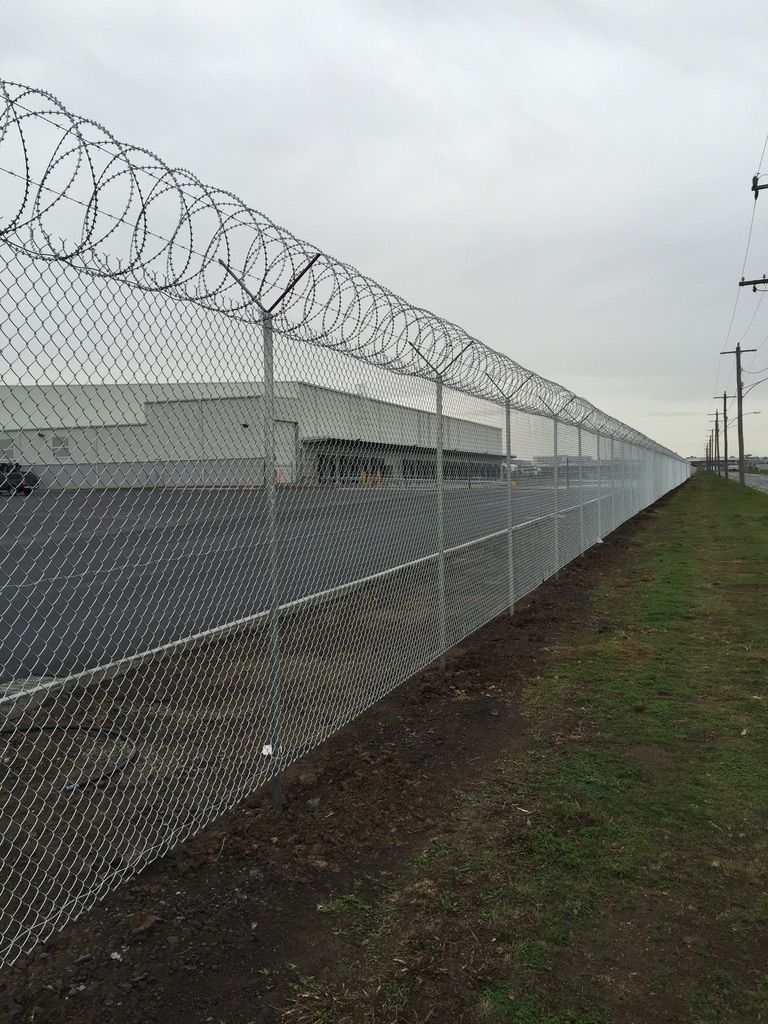
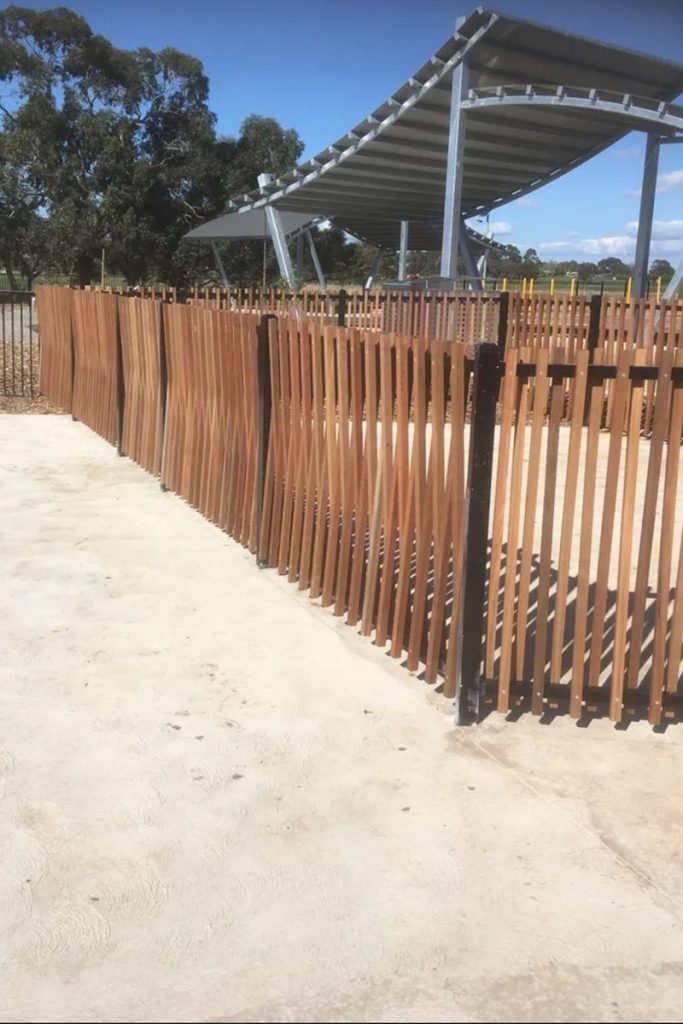
A strong fence is important, but school security should not rely on creating a solid visual barrier. In many locations, maintaining clear sightlines allows staff to see what is happening around entrances, pathways and boundaries while making it harder for unwanted activity to remain hidden. Open-style options such as tubular steel, palisade and suitable mesh fencing can provide physical separation while retaining visibility through the fence. The surrounding environment matters too. Vegetation, equipment and other objects positioned close to a boundary can obstruct sightlines or provide unintended climbing opportunities, so fencing should be considered as part of the wider site rather than as an isolated structure.
Gates Are a Critical Part of School Fencing
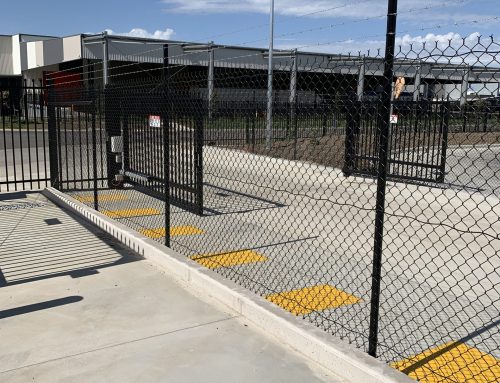
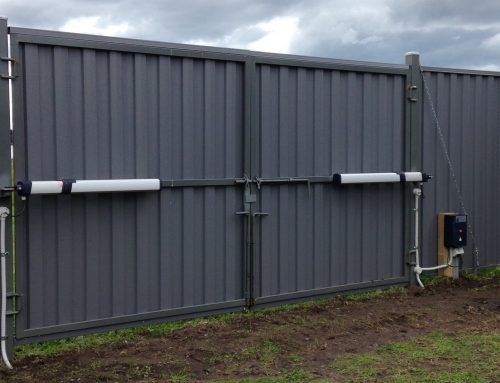
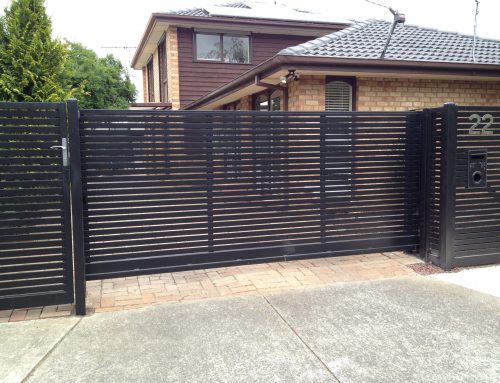
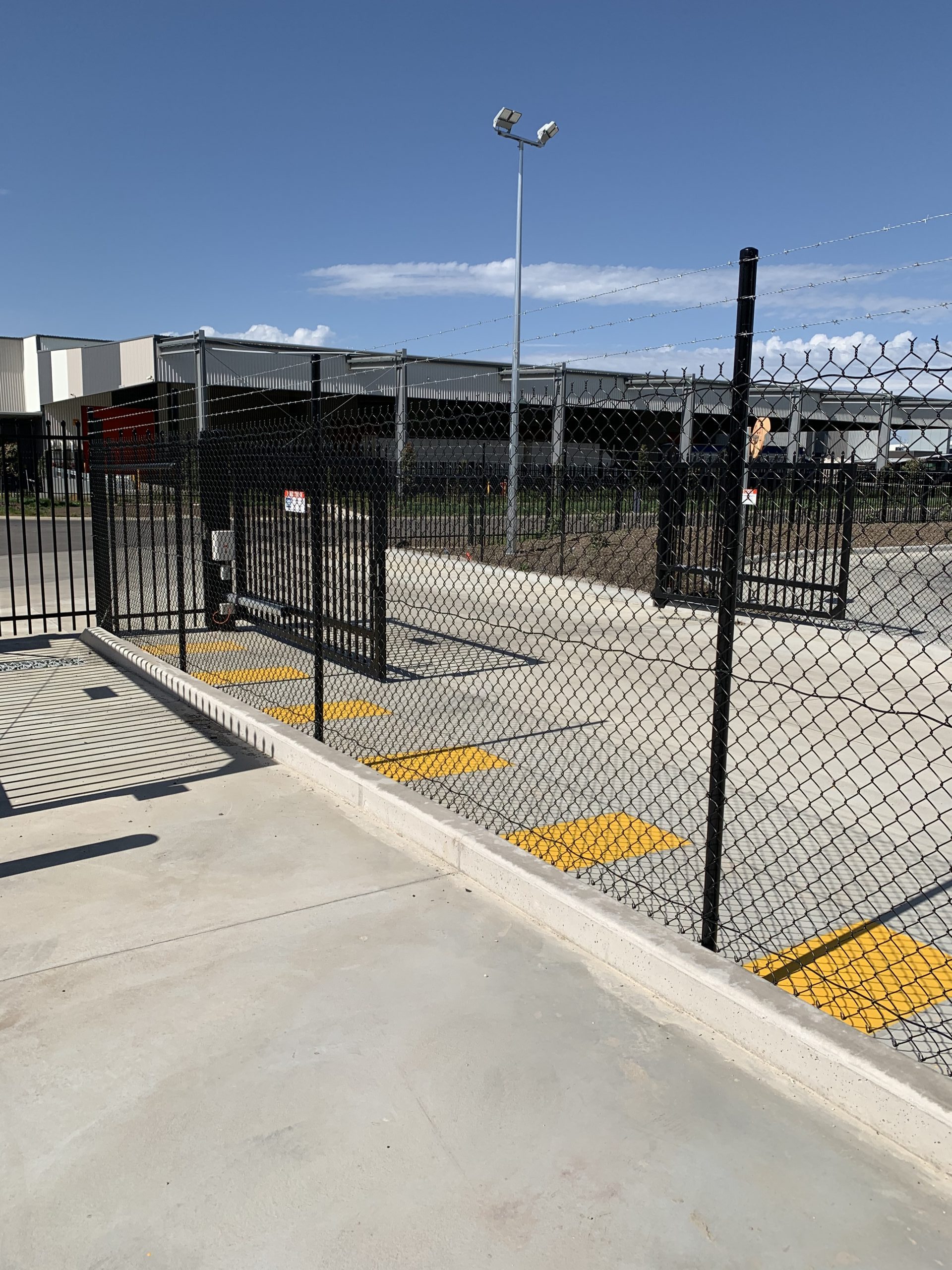
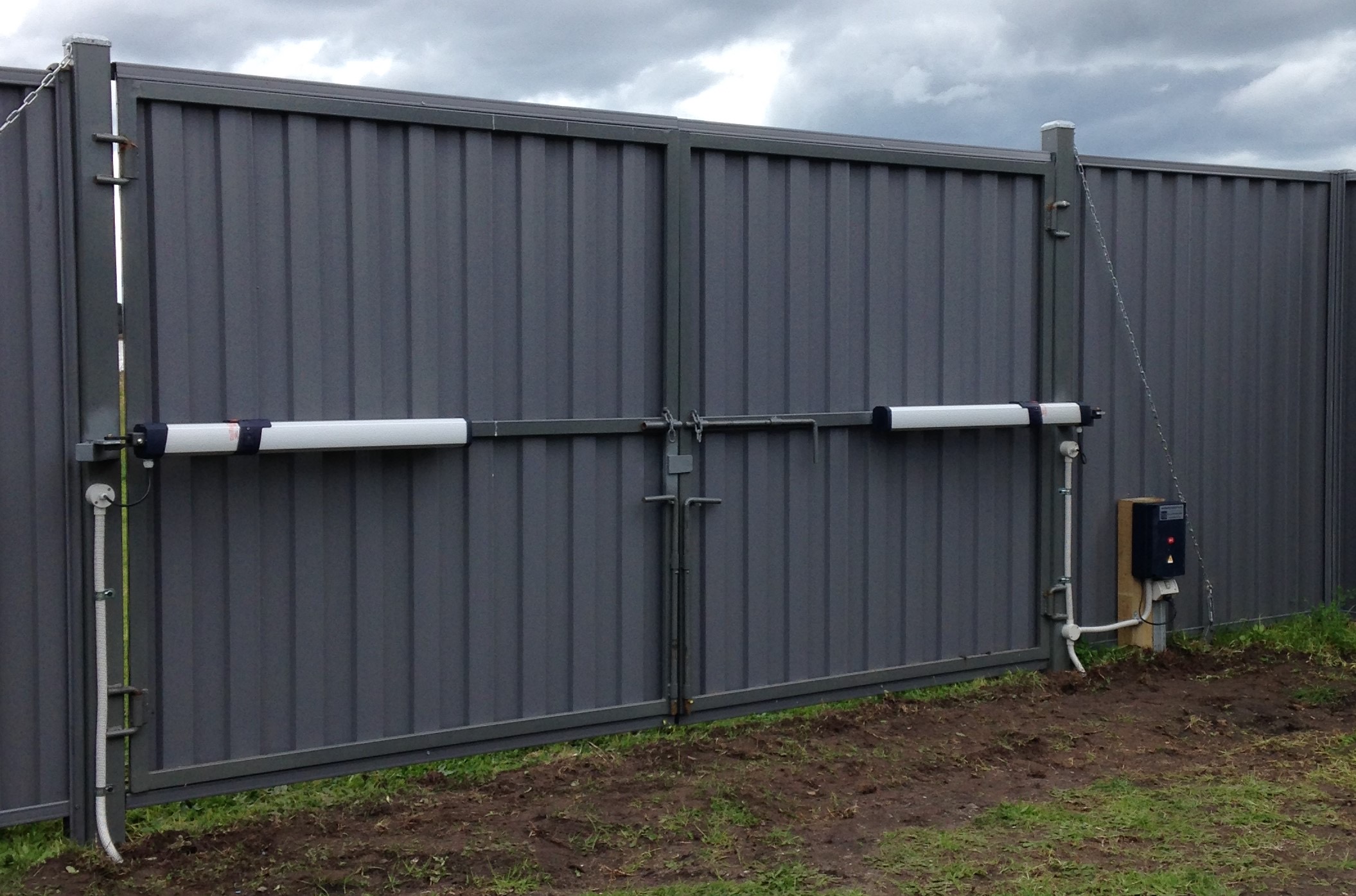
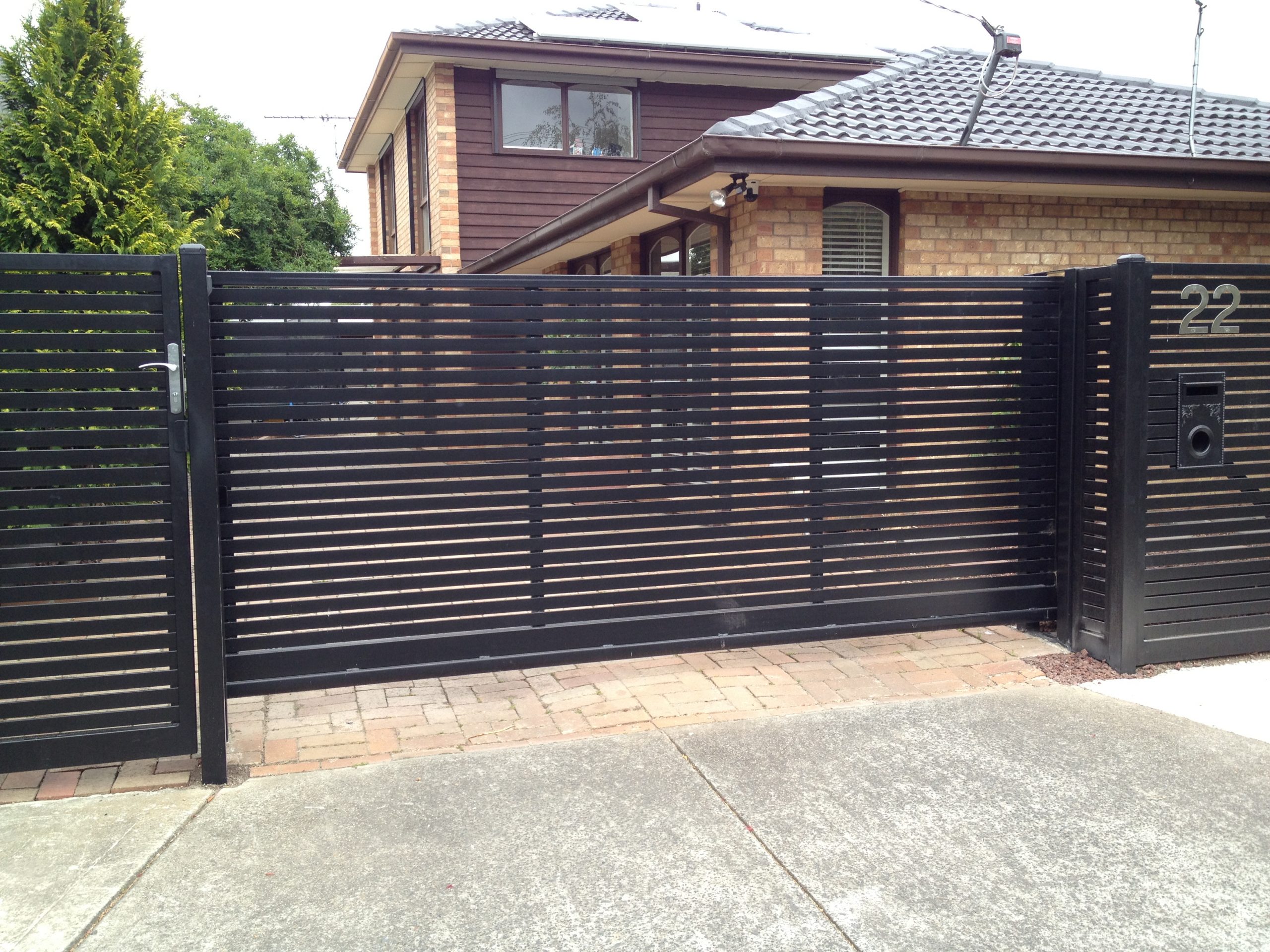
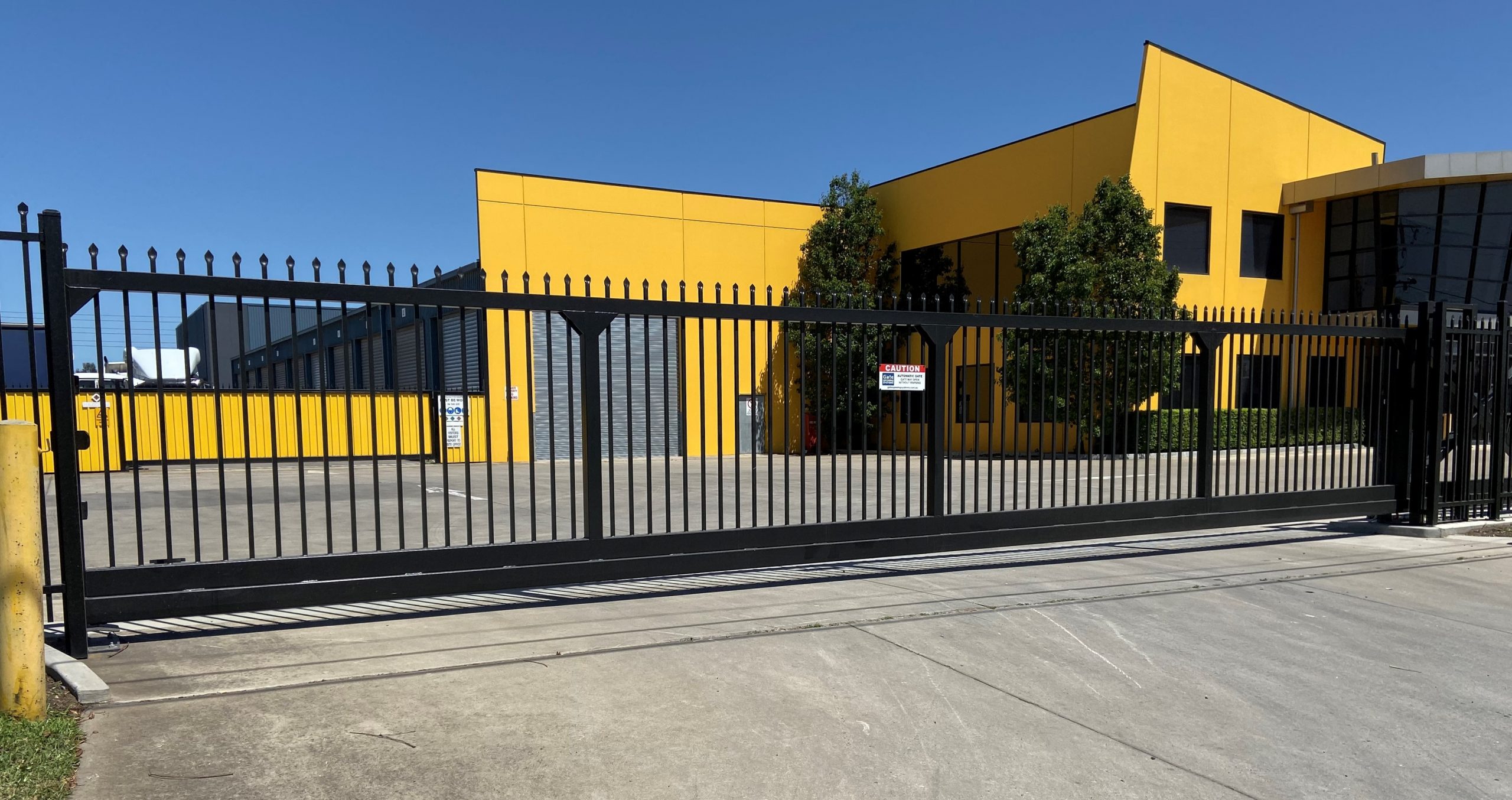
Even a well-designed perimeter can be undermined by poorly planned access points. School gates often experience considerably more movement than the adjoining fence, particularly around morning drop-off and afternoon pick-up. Pedestrian and vehicle access should therefore be considered from the beginning of the fencing design. Gate width, locking systems, hinges, closing mechanisms and accessibility all need to suit the people using the entrance and the frequency of use. Separating pedestrian and vehicle movements where practical can also make busy access areas easier to manage. For schools with several entrances, deciding which gates remain accessible during school hours can help create a clearer and more controlled perimeter.
Durability Means Designing for the School Environment
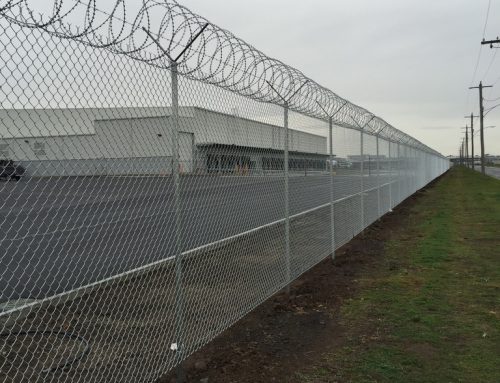
School fencing has to cope with more than Melbourne’s weather. Balls, bicycles, bags, students leaning against fences and thousands of gate movements can all contribute to wear over time. Material selection should therefore reflect where the fence will be installed and how much contact it is likely to receive. Galvanized and appropriately coated steel can provide strong corrosion resistance, while good-quality posts, fixings, hinges and gate hardware can reduce ongoing maintenance requirements. It is also worth considering repairability. A fencing system that allows damaged components to be repaired or replaced individually can be more practical over its service life than one that requires substantial sections to be replaced after relatively minor damage.
Choosing School Fencing in Melbourne
The best school fencing in Melbourne projects balance security, safety, durability, accessibility and appearance rather than prioritising one factor alone. A successful design should respond to the individual school site, with fencing and gates selected according to the risks and activities in each area. Victorian government school projects may also be subject to specific Department of Education and Victorian School Building Authority requirements, so applicable standards and project requirements should always be confirmed before installation. By considering how students, staff, visitors, vehicles and the wider community interact with the boundary every day, schools can create fencing that does its job effectively without making the campus feel disconnected from the community around it.
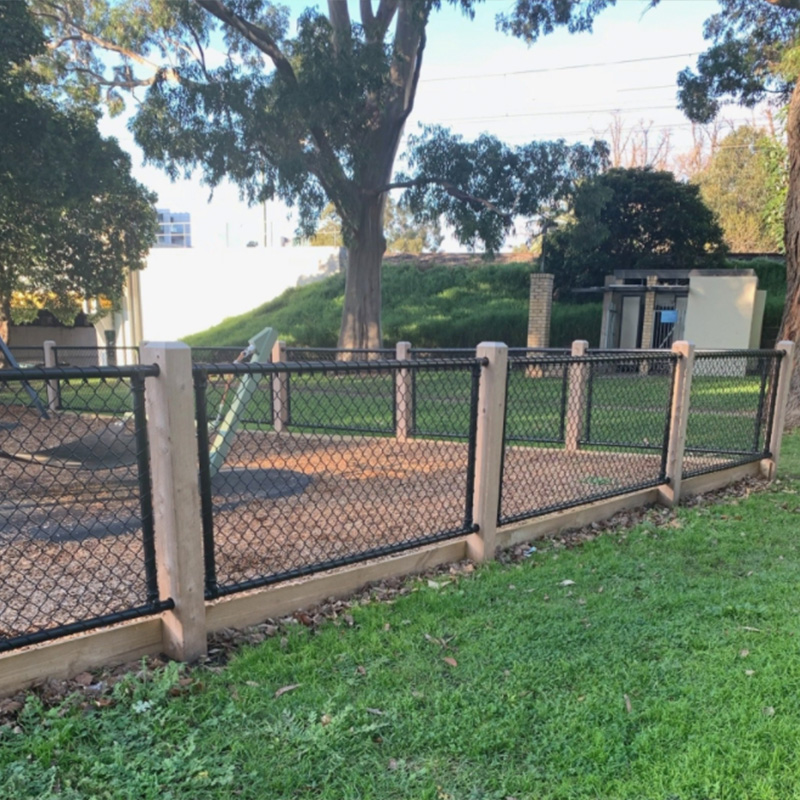
Looking for School Fencing in Melbourne? Ask Diamond Fence!
If you are interested in exploring the steel fencing options provided by Diamond Fence in Melbourne and Greater Victoria, we encourage you to reach out to us today!
You can contact us by either sending an email to info@diamondfence.com.au or by placing a phone call to our dedicated line at (03) 9753 4566.
For your convenience, we have also an online enquiry form that offers an efficient means of communicating with us. This form allows you to submit any inquiries or concerns you may have.
We eagerly await the opportunity to assist you further and provide the necessary details regarding your steel fencing enquiry.