Melbourne’s varied soil conditions can create unexpected challenges when installing steel fencing, particularly in areas where reactive clay soils are common. Unlike stable ground conditions, clay soils expand when they absorb moisture and contract as they dry, creating movement that can affect fence posts, foundations and the overall structural integrity of a fence. For commercial, industrial and residential properties, understanding these ground conditions is essential for achieving a durable installation.
This blog post will focus on how Melbourne’s clay soils affect steel fence installation, the potential risks to long-term stability and the techniques professional fencing contractors use to minimise soil-related problems.
Understanding Melbourne’s Reactive Clay Soils
Many parts of Melbourne have clay-rich soils that respond significantly to seasonal moisture changes. During wetter periods, clay absorbs water and swells, while extended dry weather causes it to shrink. This repeated expansion and contraction can place pressure on structures anchored into the ground, including steel fence posts and concrete footings. The level of movement varies depending on the soil composition, drainage conditions and location of the property. For fencing contractors in Melbourne, identifying reactive soil conditions before installation is important because ground movement can gradually affect fence alignment, stability and performance, even when the steel components themselves remain in excellent condition.
How Soil Movement Affects Steel Fence Posts and Foundations
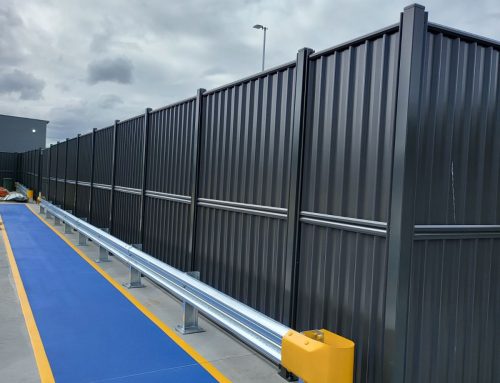
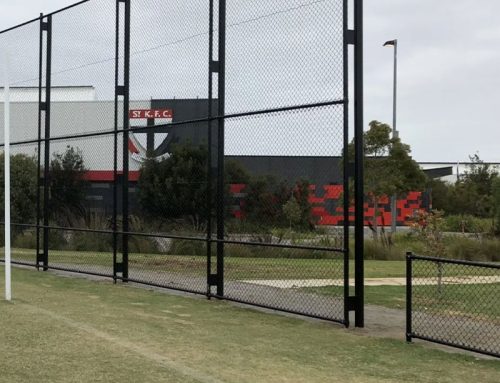
Steel fencing relies on properly installed posts and secure foundations to maintain its strength and alignment. When reactive clay expands unevenly, it can exert pressure on concrete footings, potentially causing posts to shift or tilt. During dry conditions, shrinking soil may create gaps around foundations, reducing the surrounding ground support. Over time, repeated movement can contribute to leaning fence sections, uneven heights and additional stress on welded connections or mounting points. These issues can become particularly problematic for commercial and industrial fencing, where long fence lines must remain aligned and secure. Although steel is a strong and durable fencing material, its long-term performance depends heavily on the stability of the ground supporting it.
Why Proper Footing Design Matters in Clay-Rich Ground
One of the most important considerations when installing steel fencing in Melbourne is selecting appropriate footing dimensions and installation methods. Reactive clay conditions may require deeper foundations, larger footings or specialised engineering solutions, depending on the fence height, wind exposure, soil classification and structural requirements. Simply increasing the amount of concrete does not automatically eliminate the effects of ground movement. Footing design must account for the behaviour of the surrounding soil and the loads transferred through the fence posts. Experienced Melbourne fencing contractors assess site conditions and, where necessary, obtain engineering advice to determine suitable installation methods. Properly designed footings help maintain fence alignment and reduce the likelihood of ongoing structural movement.
The Importance of Drainage and Moisture Management
Water management plays a significant role in protecting steel fencing installed in reactive clay soils. Poor drainage can cause excessive moisture to accumulate around fence foundations, leading to uneven soil swelling and increased ground movement. Conversely, prolonged dry conditions may cause substantial shrinkage, particularly near large trees or areas with inconsistent watering. Surface runoff, blocked drains and changes to surrounding landscaping can all influence moisture distribution along a fence line. Effective drainage planning helps reduce extreme moisture variations and promotes more consistent ground conditions. For industrial and commercial properties, directing stormwater away from fence foundations and maintaining suitable site drainage can contribute to improved long-term stability and lower maintenance requirements.
Maintaining Steel Fencing on Melbourne’s Changing Ground Conditions
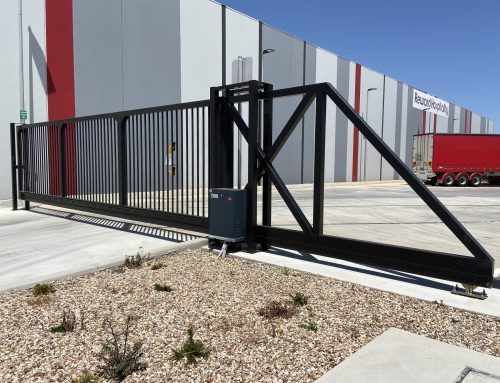
Even when steel fencing has been professionally installed, regular inspections remain important in areas affected by reactive clay soils. Property owners should monitor fence posts for movement, check for widening gaps beneath fence panels and look for changes in gate alignment or operation. Gates can be particularly sensitive to foundation movement because small changes in post position may affect hinges, latches and clearances. Early identification of these issues can help prevent more extensive damage and expensive repairs. Professional fencing contractors in Melbourne can assess developing problems and recommend appropriate corrective measures, whether through foundation repairs, post realignment or improvements to surrounding drainage. By combining suitable installation practices with ongoing maintenance, property owners can maximise the durability, safety and long-term performance of their steel fencing despite Melbourne’s challenging soil conditions.
Looking for Steel Fence Installation in Melbourne? Ask Diamond Fence!
If you are interested in exploring the steel fencing options provided by Diamond Fence in Melbourne and Greater Victoria, we encourage you to reach out to us today!
You can contact us by either sending an email to info@diamondfence.com.au or by placing a phone call to our dedicated line at (03) 9753 4566.
For your convenience, we have also an online enquiry form that offers an efficient means of communicating with us. This form allows you to submit any inquiries or concerns you may have.
We eagerly await the opportunity to assist you further and provide the necessary details regarding your steel fencing enquiry.