
Drainage is often overlooked when planning or maintaining commercial fencing, yet it can significantly affect the stability and lifespan of a fence. Water accumulation, soil erosion and inadequate surface drainage can gradually weaken fence foundations, particularly around industrial facilities, warehouses and commercial properties. Even a well-constructed steel fence can develop structural issues when surrounding ground conditions change.
This blog post will focus on how drainage problems affect commercial fencing, the risks associated with prolonged water exposure and the importance of considering drainage when installing and maintaining security fencing.
Why Water Accumulation Can Weaken Fence Foundations
Commercial and industrial fencing relies on stable foundations to maintain its alignment and structural integrity. When rainwater consistently collects around fence posts, the surrounding soil may become saturated, reducing its ability to provide adequate support. Over time, repeated wetting and drying can contribute to ground movement, particularly in areas with reactive clay soils. This movement may cause fence posts to shift, lean or become misaligned, placing additional stress on connected steel panels. Properties with large concrete surfaces, car parks and loading areas can be particularly vulnerable when stormwater runoff is directed towards fence lines rather than appropriate drainage systems.

Soil Erosion and Its Impact on Industrial Security Fencing
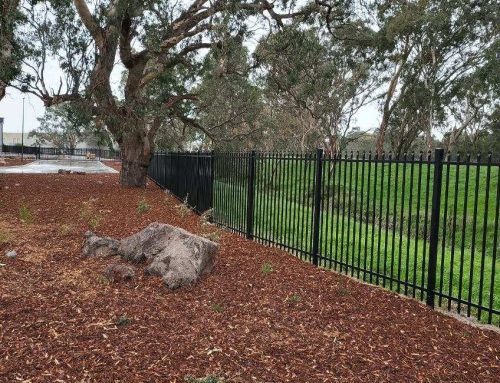
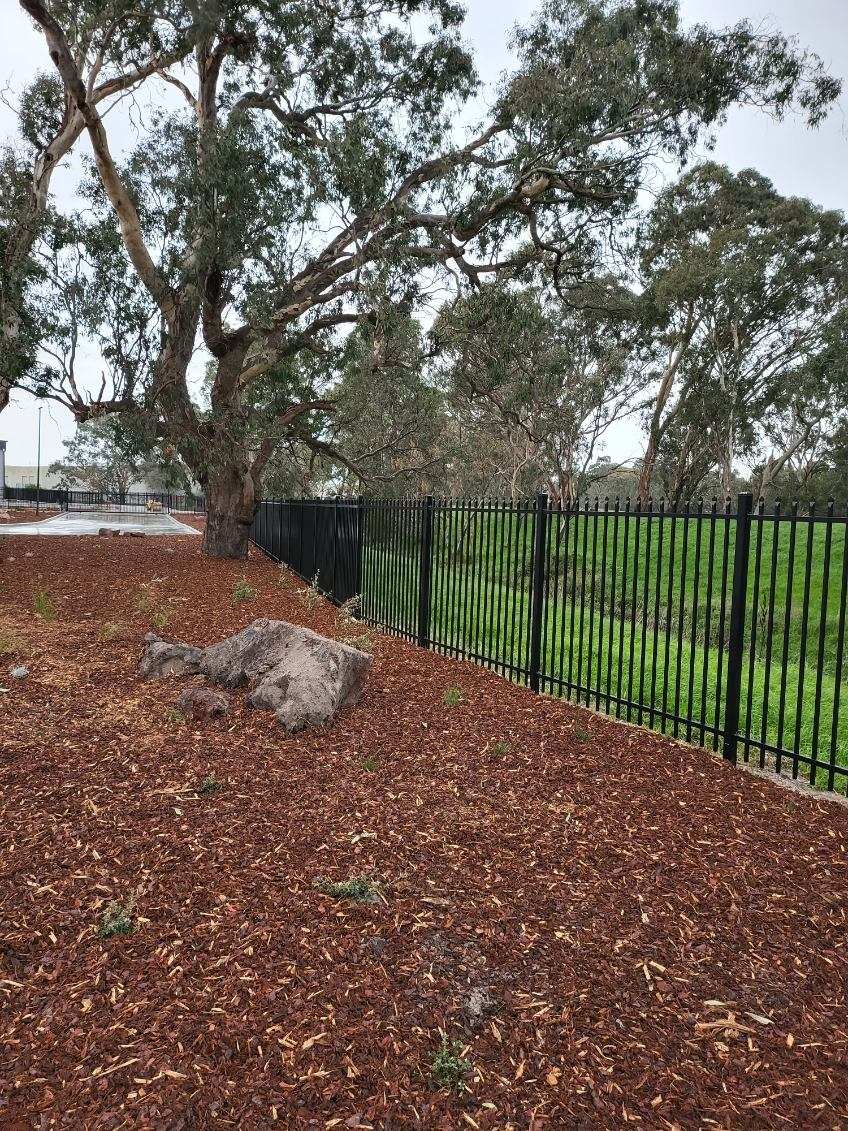
Soil erosion presents another challenge for industrial security fencing, especially on sloping sites or properties exposed to concentrated stormwater runoff. Flowing water can gradually remove soil around fence posts and concrete footings, potentially reducing the support provided by the surrounding ground. In severe cases, sections of a fence may become unstable despite the steel components remaining in good condition. Erosion can also create gaps beneath fence panels, compromising perimeter security and allowing unauthorised access or animals to enter restricted areas. Addressing surface water movement during fence installation can help minimise these risks and maintain consistent ground coverage along the perimeter.
How Poor Drainage Contributes to Steel Fence Corrosion
Although galvanized steel fencing is designed to withstand outdoor conditions, persistent moisture and poor drainage can accelerate deterioration, particularly where protective coatings have been damaged. Fence posts positioned in areas of standing water may experience prolonged exposure to moisture, while accumulated soil, debris and contaminants can create conditions that encourage localised corrosion. Connections, welds and areas near ground level deserve particular attention during routine inspections. Selecting appropriate protective finishes, ensuring suitable installation methods and preventing unnecessary water accumulation can help extend the service life of commercial steel fencing and reduce the likelihood of premature maintenance or replacement.
Planning Drainage for Long-Term Commercial Fence Performance
Effective drainage considerations should form part of the planning process for commercial and industrial fencing projects, particularly on sites with uneven terrain, extensive paved surfaces or known stormwater management issues. Assessing ground conditions, identifying water flow paths and positioning fence foundations appropriately can help prevent problems that may otherwise develop after installation. Existing fences should also be inspected following heavy rainfall for signs of erosion, leaning posts, exposed footings or standing water. Where significant drainage problems exist, professional assessment may be necessary before repairs or new fencing installations proceed. For commercial property owners, integrating drainage management with quality fencing design provides a more reliable approach to maintaining perimeter security, structural stability and long-term performance.

Looking for Steel Fencing in Melbourne? Ask Diamond Fence!
If you are interested in exploring the steel fencing options provided by Diamond Fence in Melbourne and Greater Victoria, we encourage you to reach out to us today!
You can contact us by either sending an email to info@diamondfence.com.au or by placing a phone call to our dedicated line at (03) 9753 4566.
For your convenience, we have also an online enquiry form that offers an efficient means of communicating with us. This form allows you to submit any inquiries or concerns you may have.
We eagerly await the opportunity to assist you further and provide the necessary details regarding your steel fencing enquiry.